Yulu
Yulu Redesign;
Redesigning Away Friction.
Overview
Timeline
Team
My Role
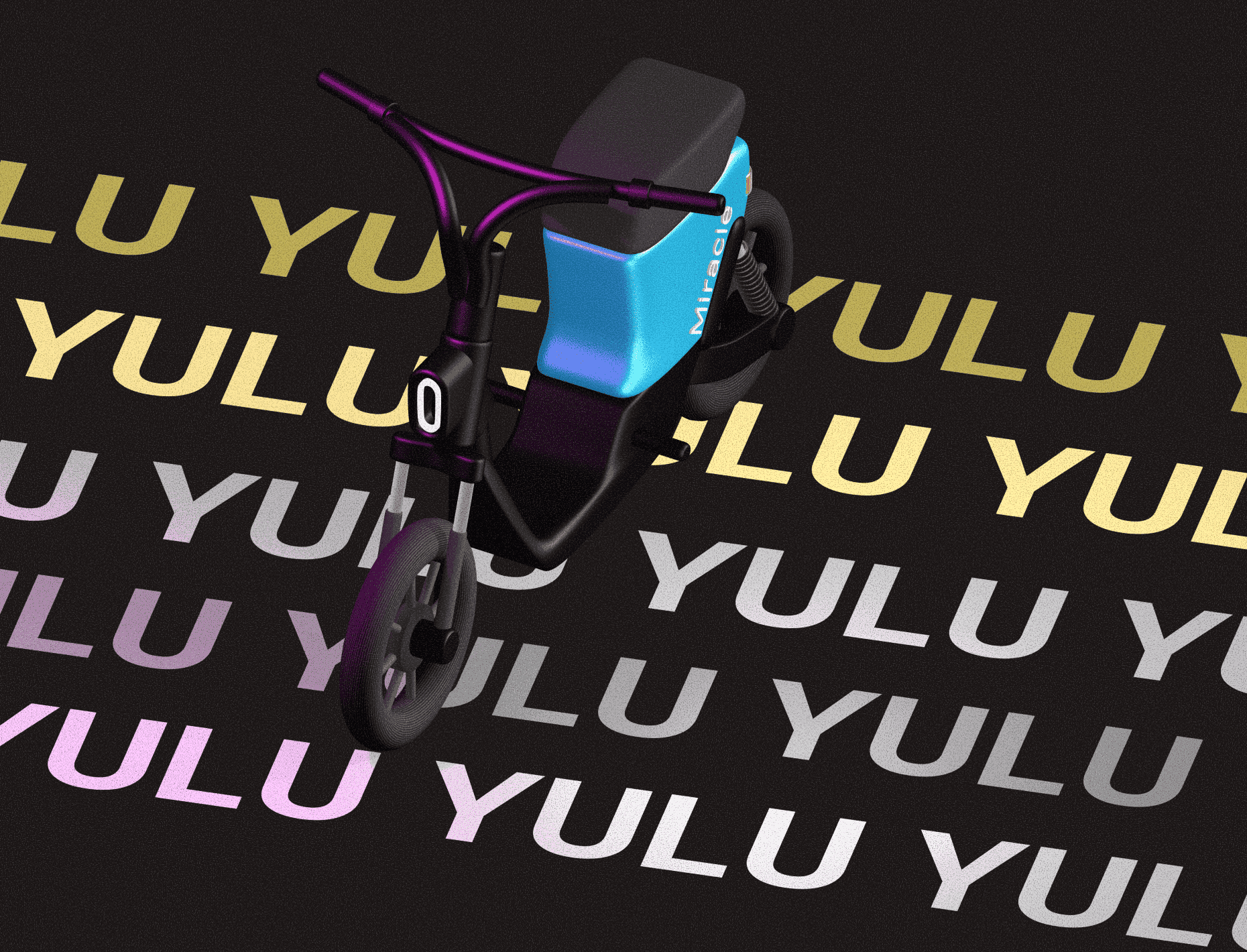
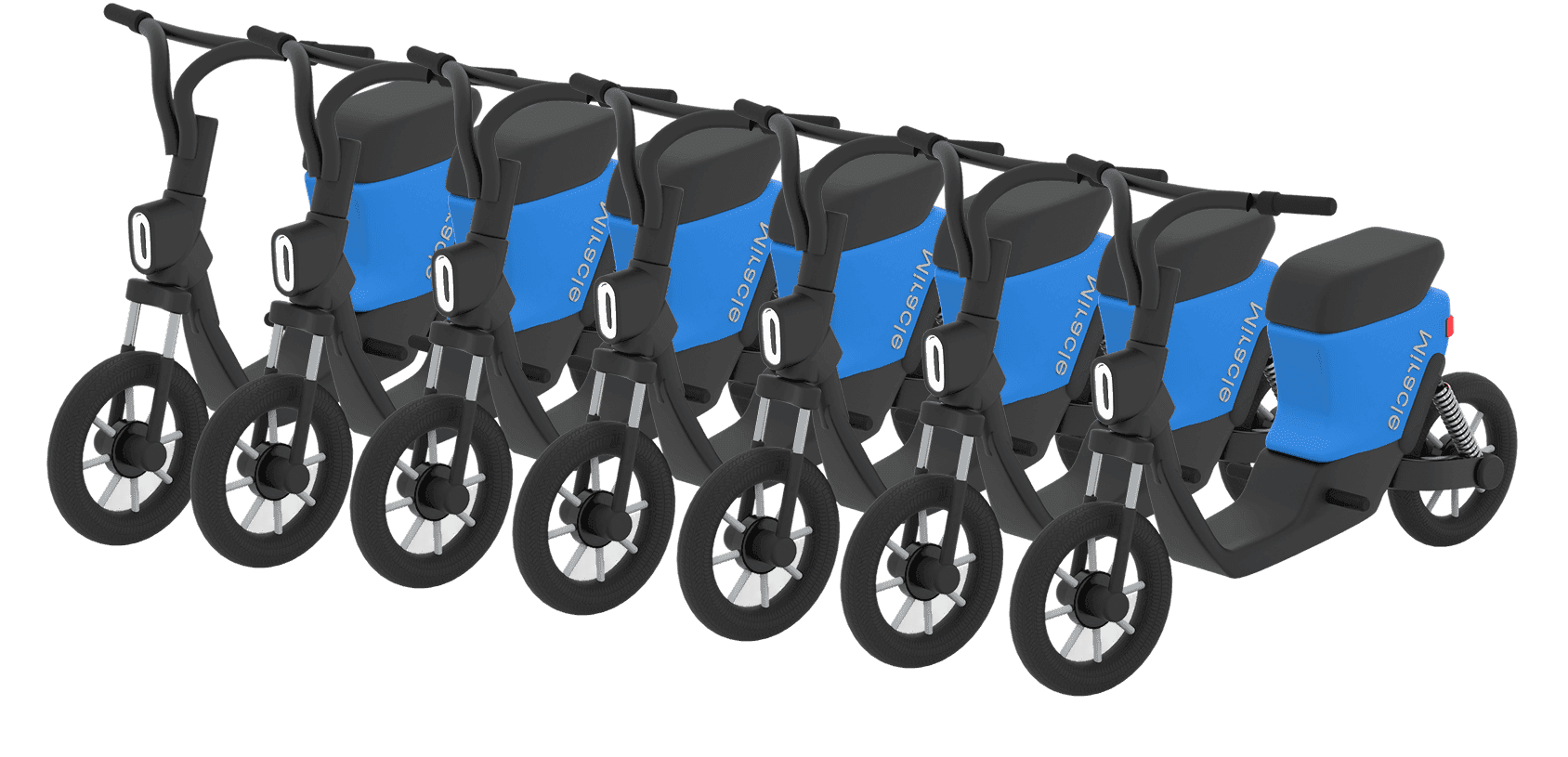
Yulu is an Indian micro-mobility startup offering dockless bicycles and electric scooters through a mobile app.
This was a course project undertaken while Yulu was rapidly gaining popularity. Working within a multidisciplinary team, I contributed across user research, information architecture, and visual design, focusing on reducing friction and making the riding experience feel effortless and intuitive.
5 min read
Context and Challenge
A Promising Service
Held back by friction
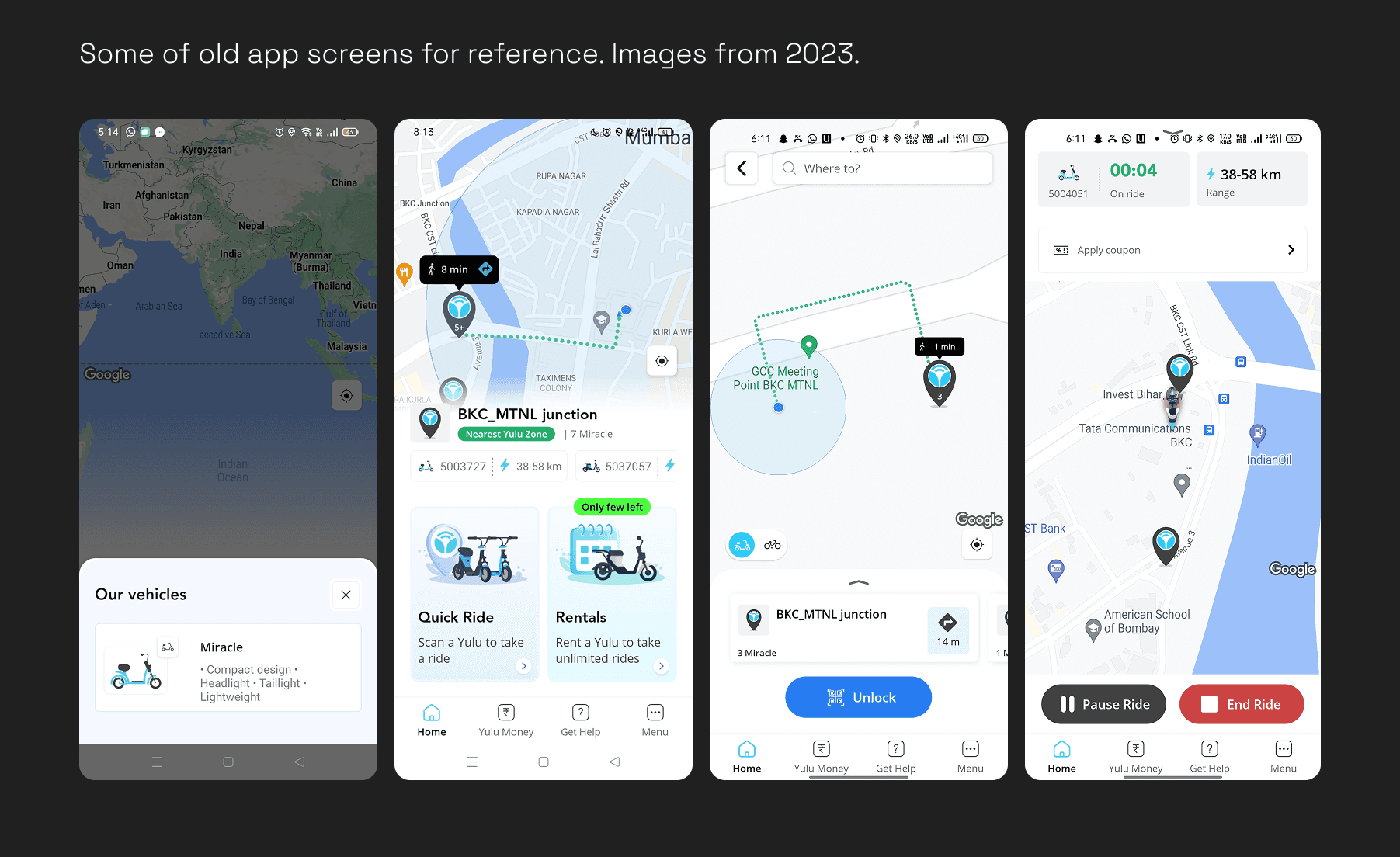
While Yulu seemed quite an exciting service, the app experience did notquite match the user expectations.
Lack of visual clarity, inconsistent UI patterns, and unclear flows reduced confidence in moments where users needed reassurance, such as finding a bike or ending a ride.
Research
Heuristic Eval
Using Nielsen’s usability heuristics, we conducted a detailed audit of the existing app to identify systemic UX issues.
Key findings included:
Inconsistent iconography and spacing created visual noise
Limited map exploration violated flexibility and efficiency of use
Non-standard color usage broke consistency and standards
For detailed heuristics report:
https://docs.google.com/presentation/d/1iRkZzWHi9ShFFF2UJK4Bwn3qzVjL5lmlMGW6wxMRYjA/edit?usp=sharing
Primary
User interviews
interviewed 15+ users across Mumbai, Delhi, and Bengaluru, including students, professionals, and delivery riders aged 16–40.
The goal was to understand real-world usage patterns, pain points, and moments of hesitation.
Pain Points
What users struggled with
Unclear ride boundaries
Users could not see Yulu zones outside active areas, making it hard to plan rides or know where they could park in advance.
Difficult bike discovery
Finding the nearest bike, or identifying the correct one in a crowded zone, was frustrating and time-consuming.
Confusing ride options
Users struggled to differentiate between Quick Ride and Rental, as both options looked similar and lacked context.
Navigation interruptions
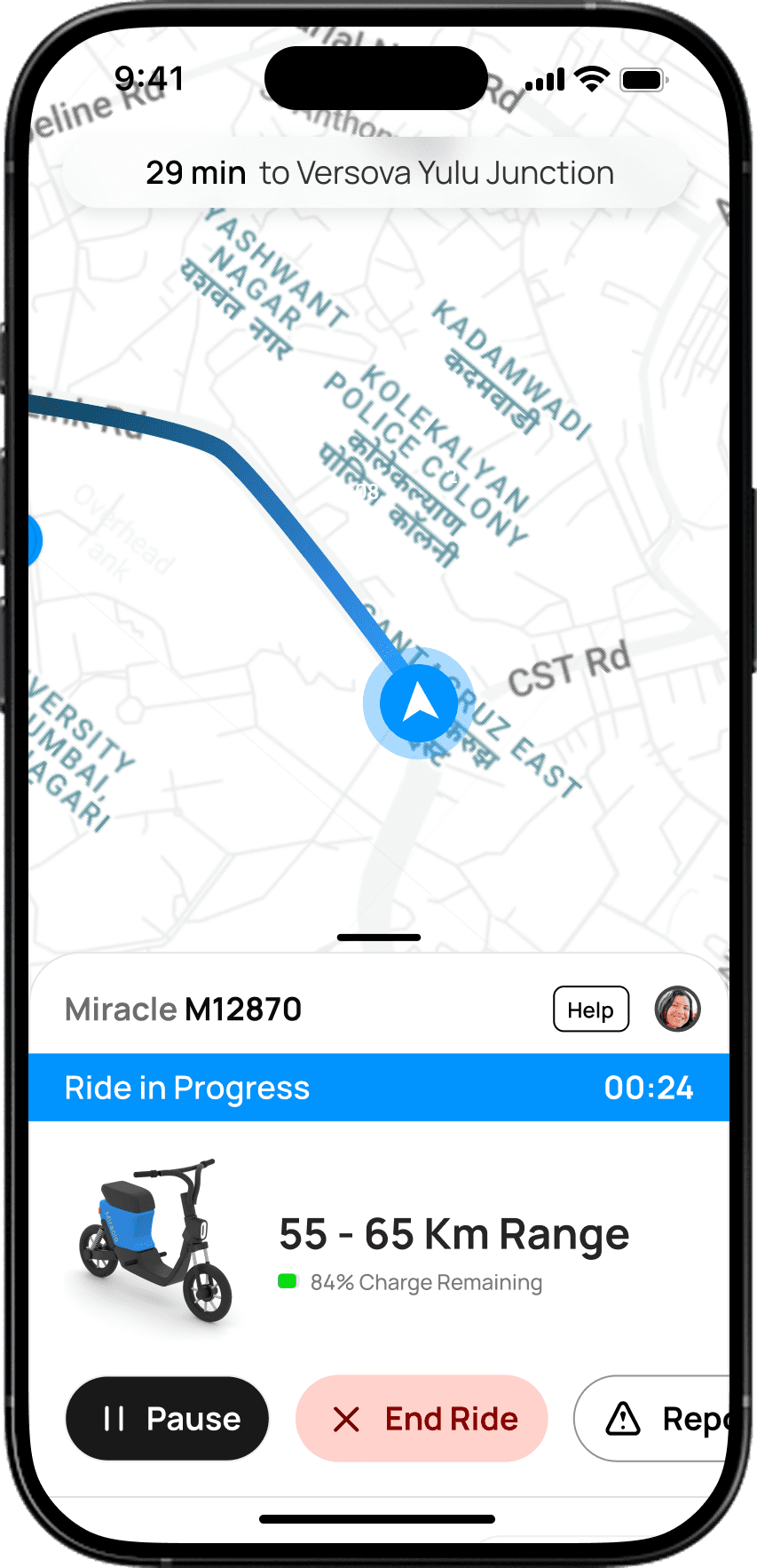
Riders had to frequently stop mid-ride to check directions, breaking the flow of the journey.
Insights and How Might We
Insight 1
Discovery
The process of finding and unlocking a bike felt fragmented and unintuitive. Users struggled to locate available vehicles or understand where they could ride and park.
How Might We design a connected, discoverable flow that helps users intuitively locate, understand, and access bikes through clearer spatial and visual cues?
Insight 2
User Choices
The interface lacked a clear visual hierarchy, making it difficult for users to navigate the app. Inconsistent iconography, non-standard color usage, and ambiguous labels (like “ Quick Ride” vs “ Rental”) caused hesitation and uncertainty.
How Might We create a stronger visual hierarchy that communicates function clearly, reduces ambiguity, and helps users act with confidence?
Solutions: Designing for Default Behavior
In the original experience, users were forced to choose between Quick Ride and Rental without enough context.
The redesigned flow clearly explains the difference using visuals, pricing context, and vehicle type. Once selected, the app remembers the user’s preference, reducing friction for repeat rides while allowing easy switching.
Simplifying Ride Discovery
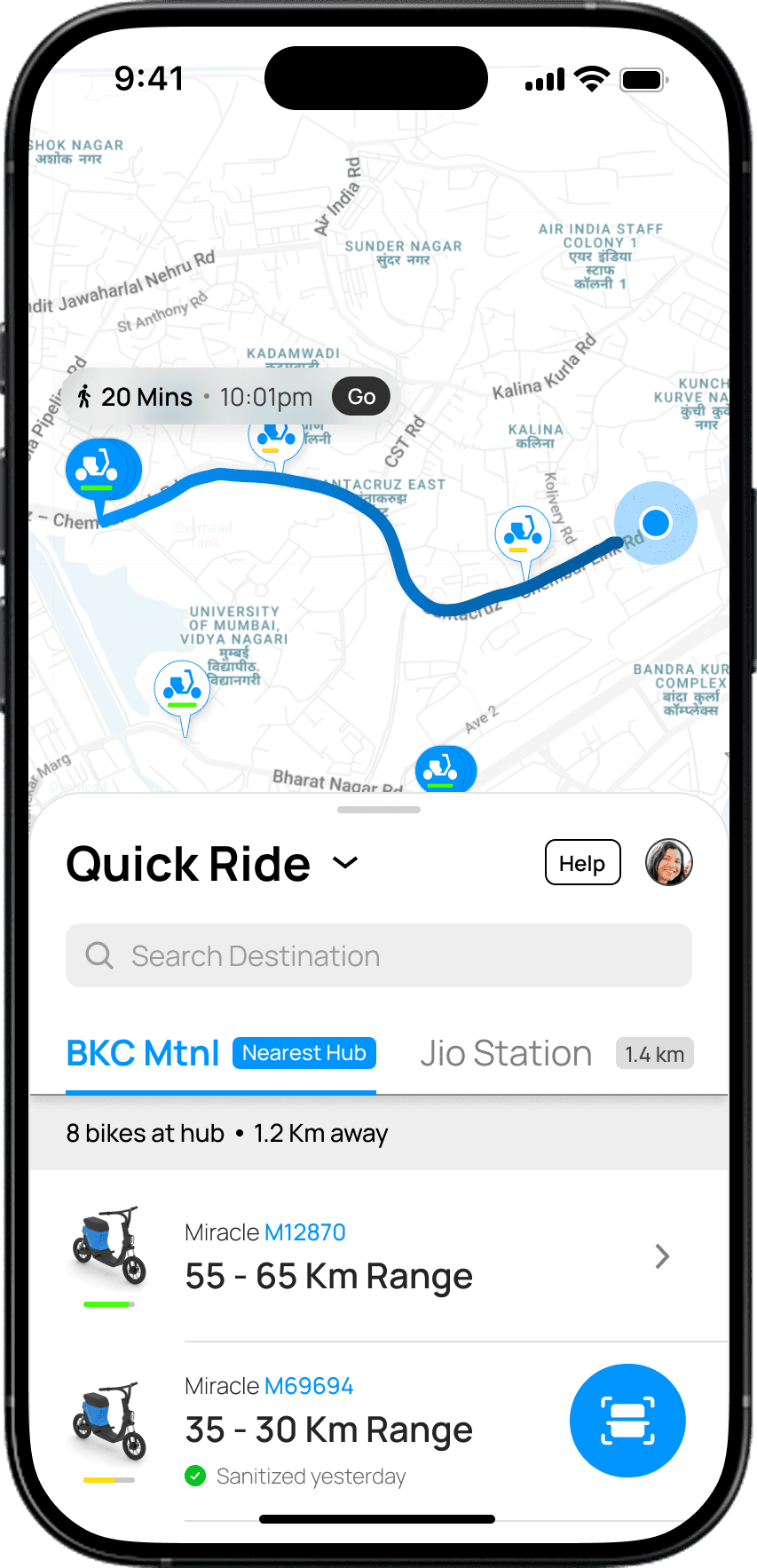
The map experience was redesigned so that either the nearest bike or nearest zone is always visible, whichever is closer.
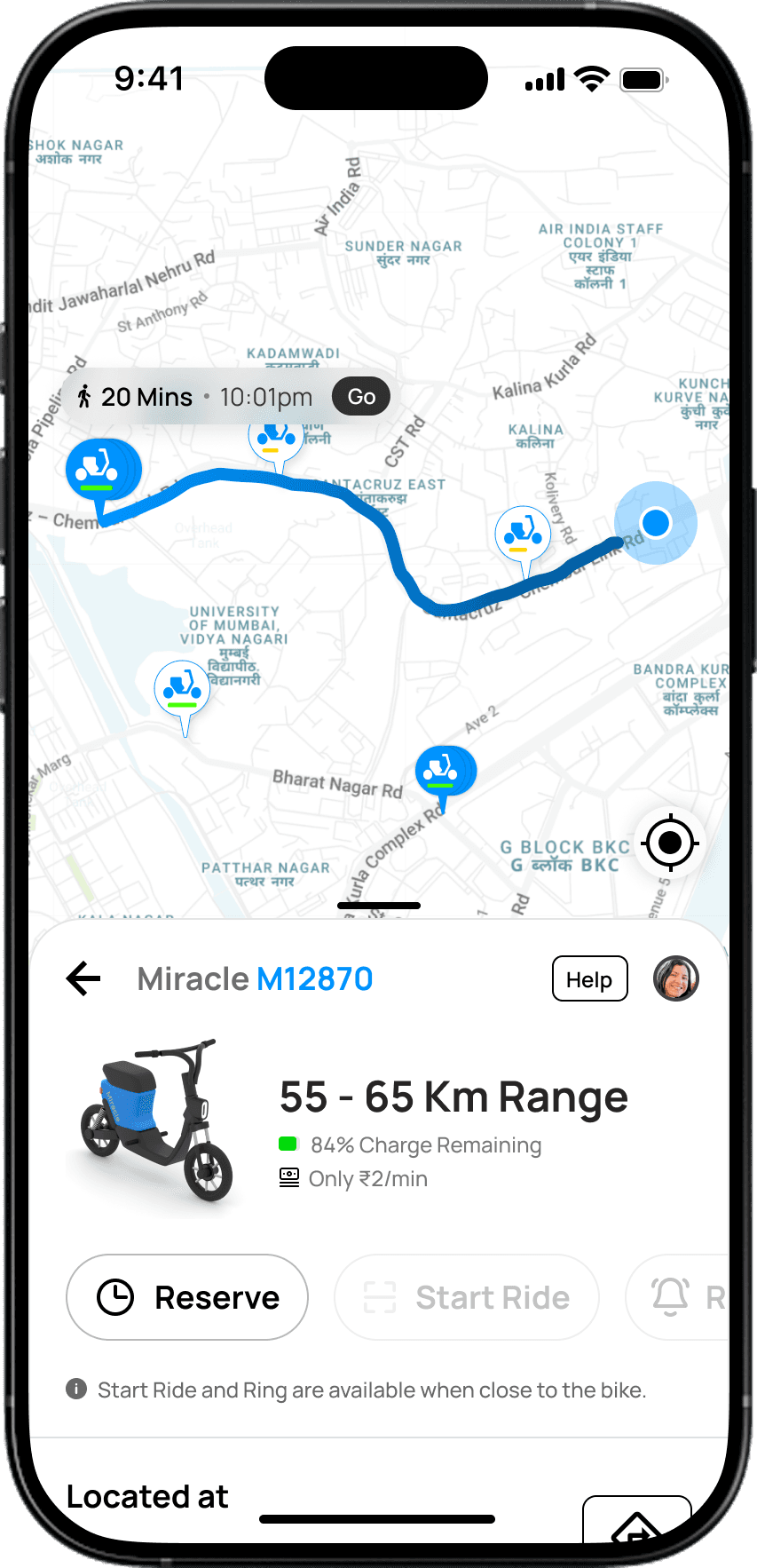
Zones now display available bikes, and users can tap into any bike to view details like range and pricing, enabling better planning.
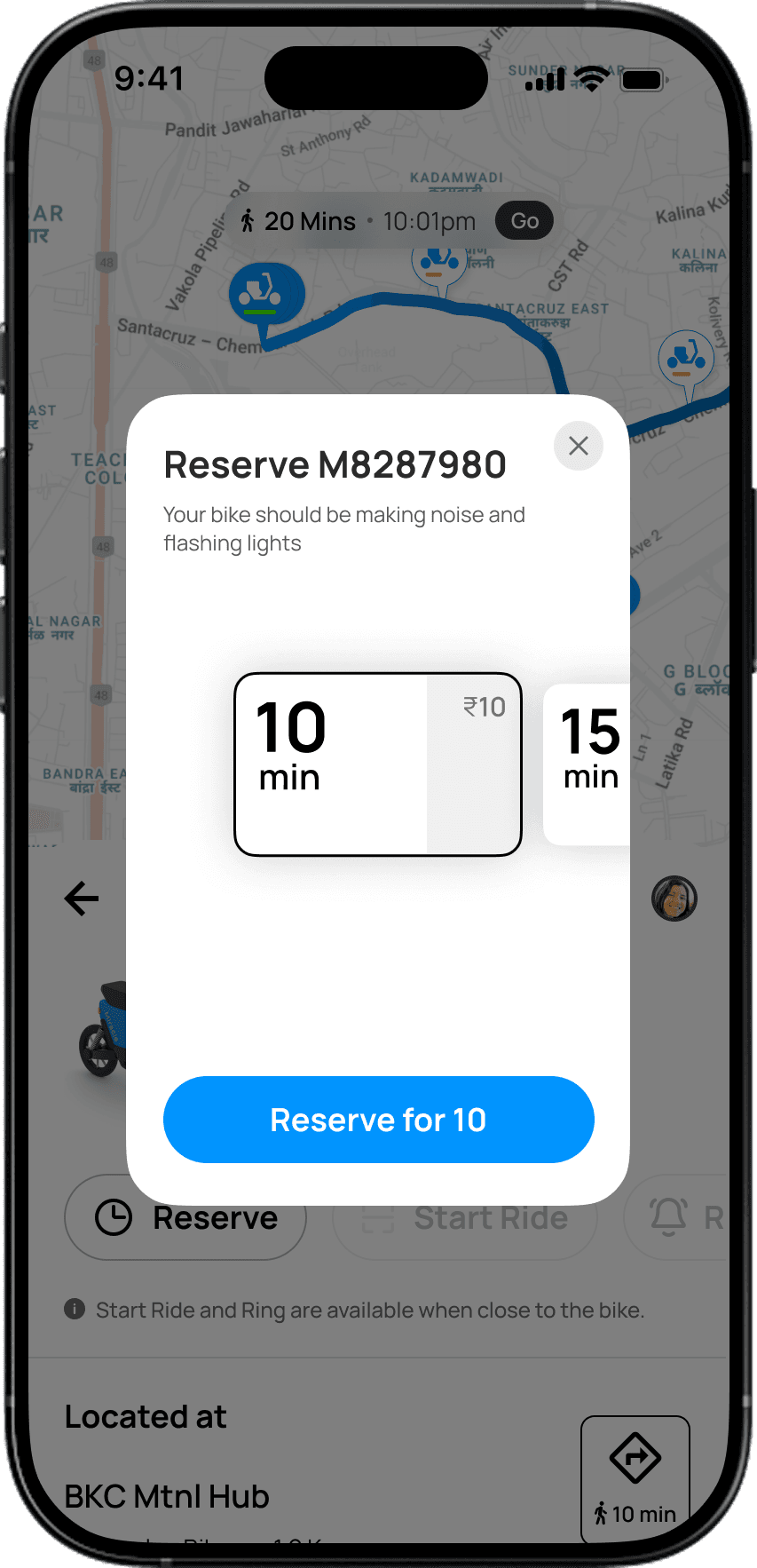
Making Reservation Effortless
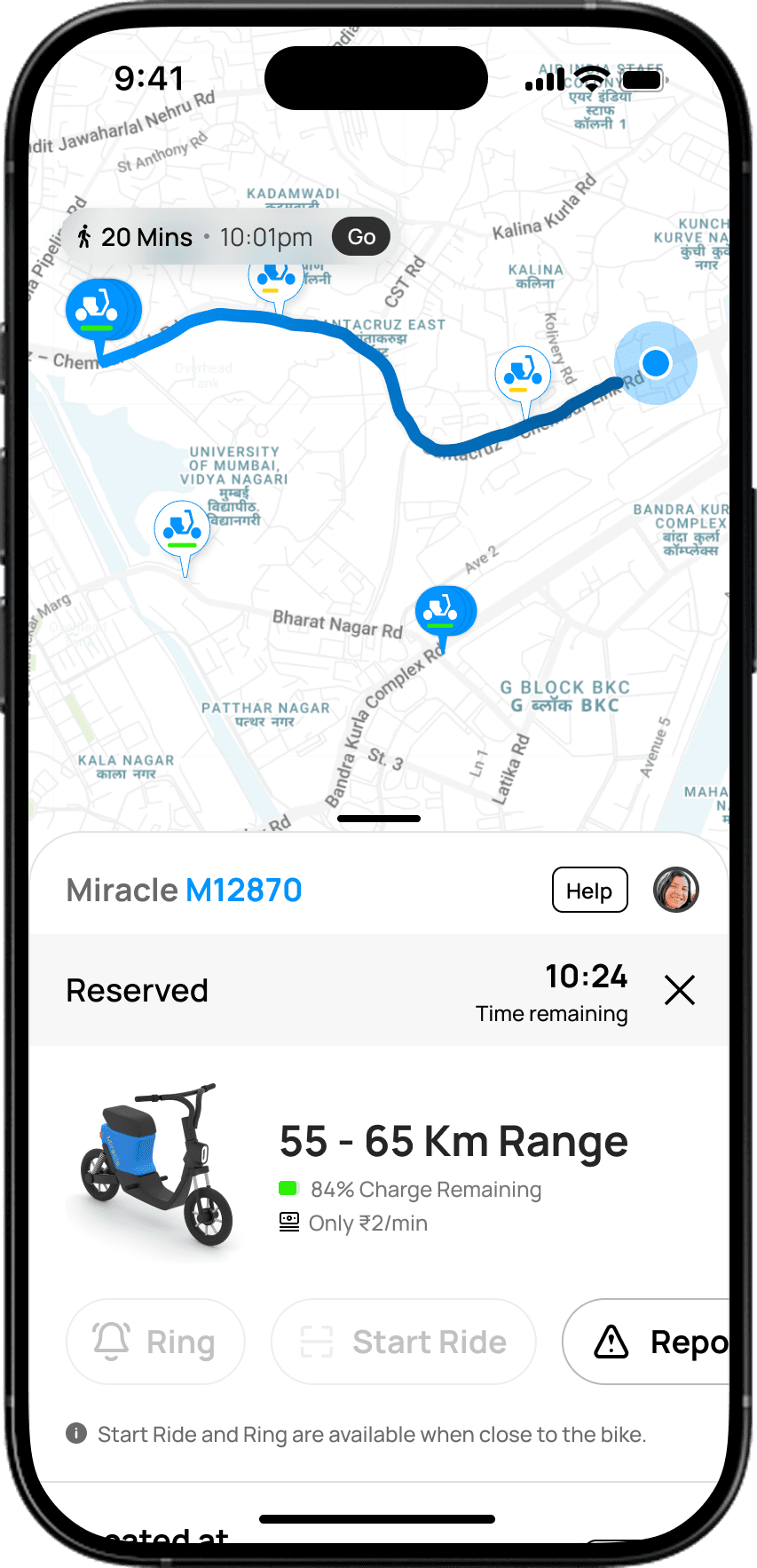
Users can reserve a bike using quick preset options.
Once reserved, the bike locks instantly with a clear countdown timer, reassuring users that the bike is waiting for them.

Finding the right Bike
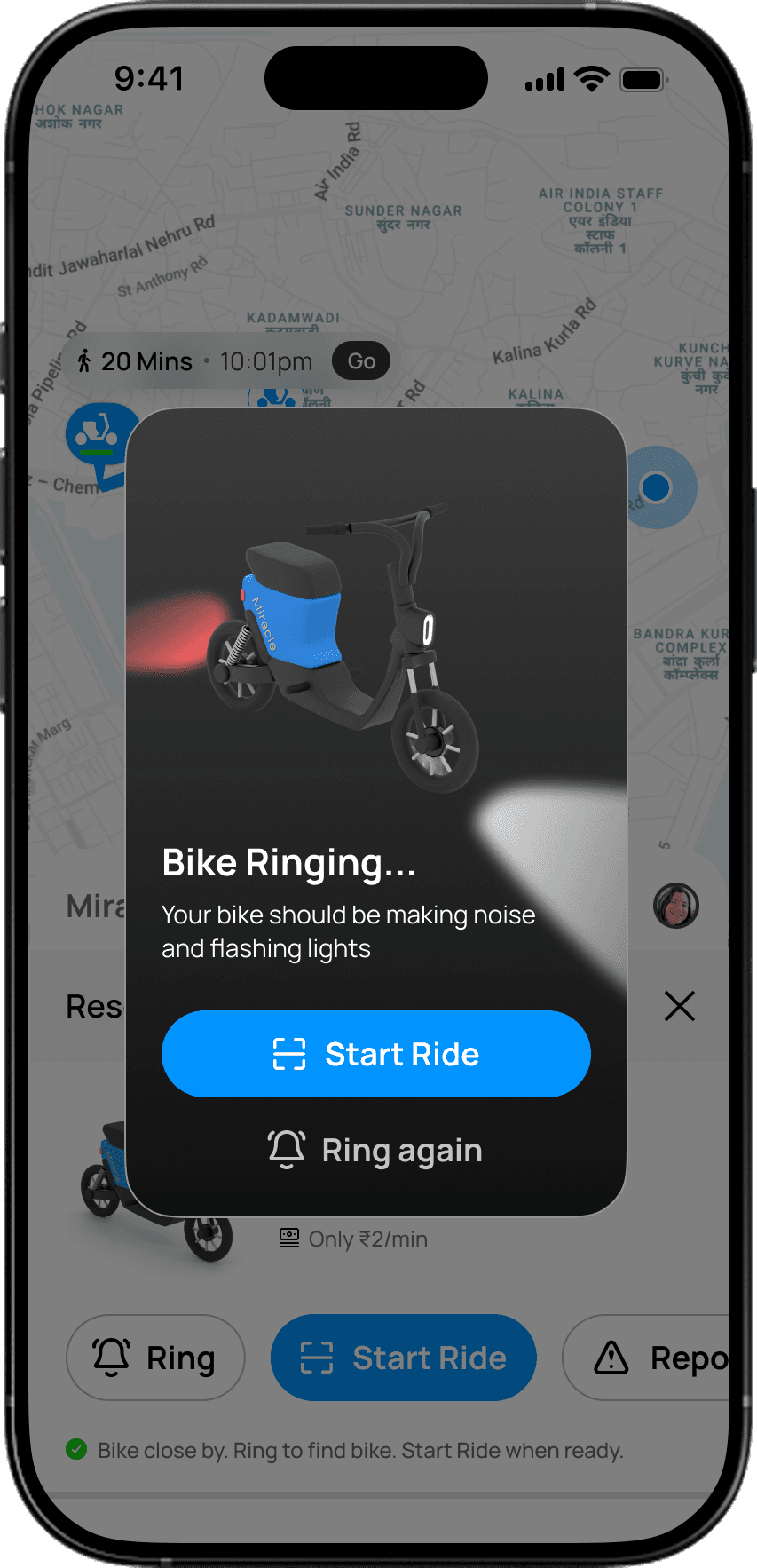
Locating the correct bike in crowded zones was a recurring frustration.
To solve this, we introduced the Ring feature, allowing users to make a selected bike flash its headlights and taillights while emitting a sound. This made bikes easy to spot visually and audibly, even from a distance.
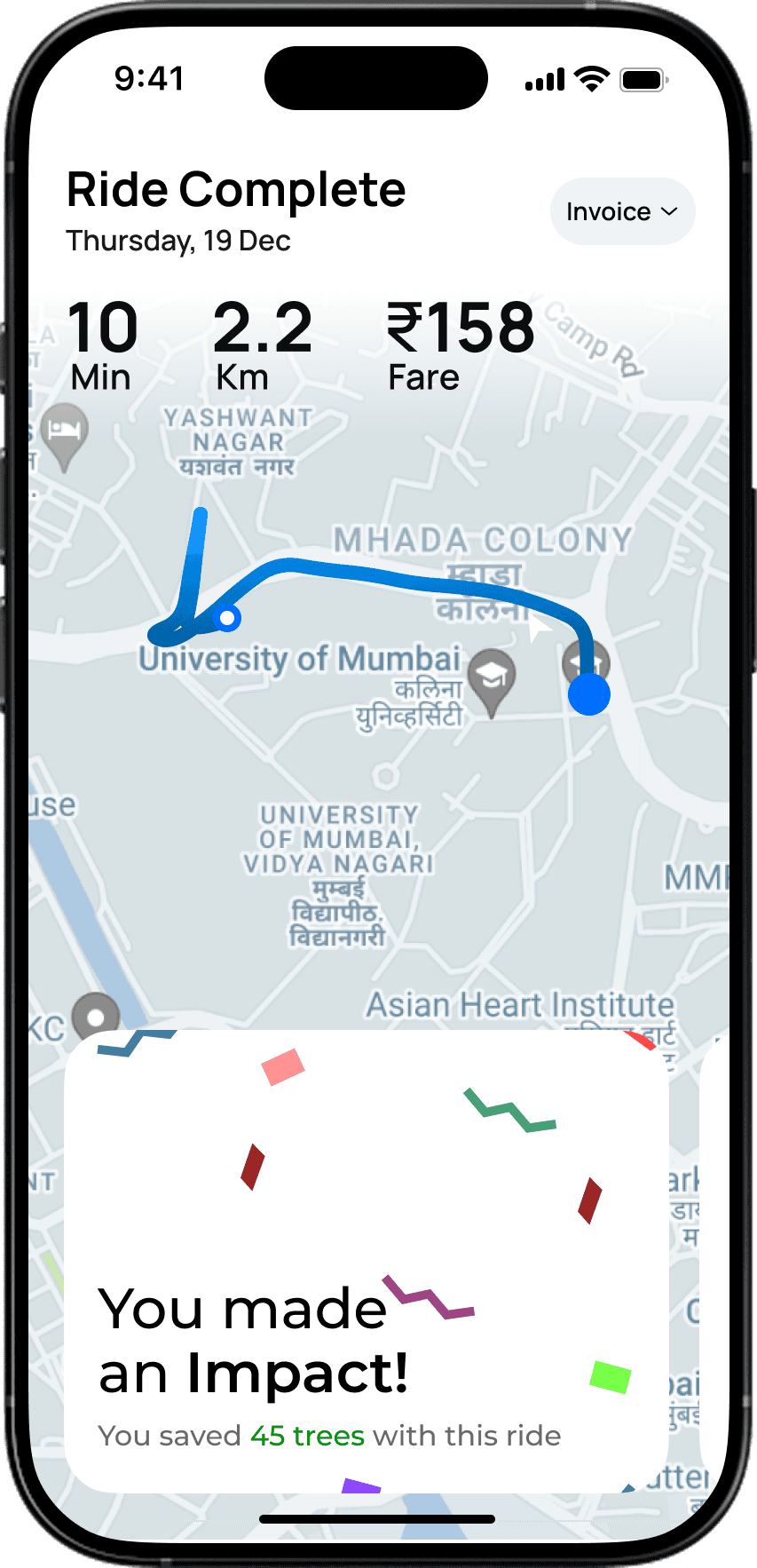
Reserve to Ride Flow
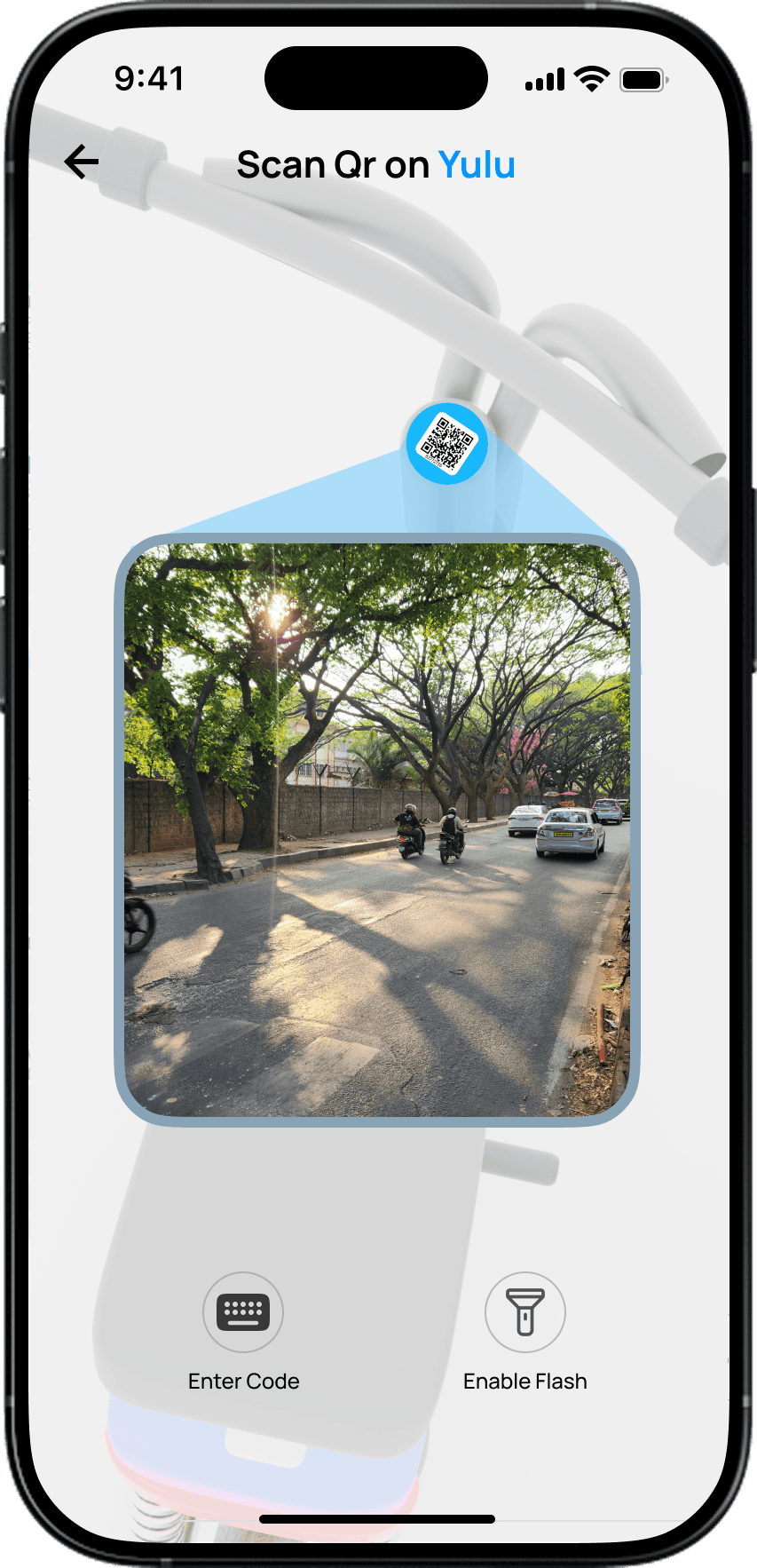
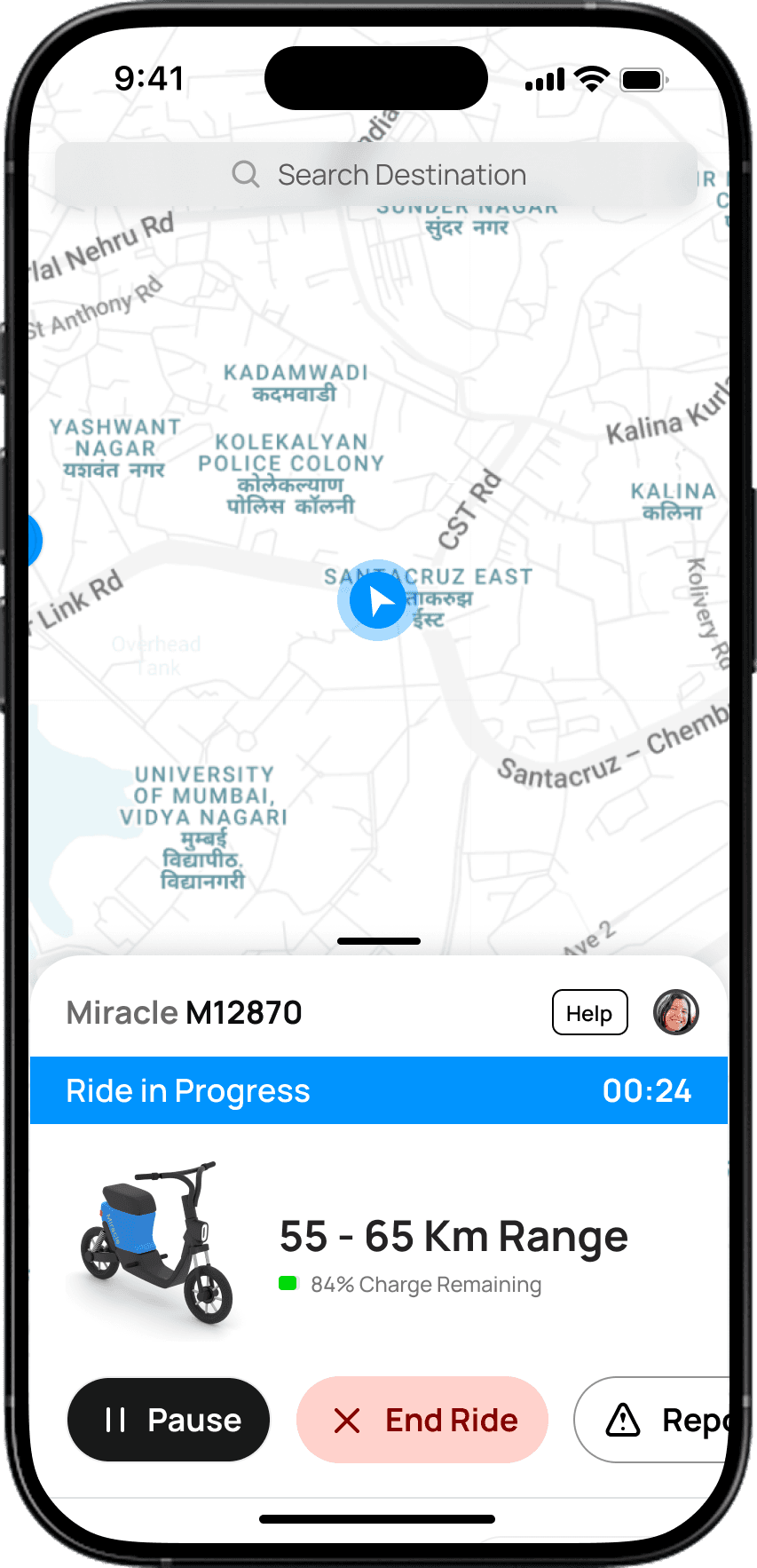
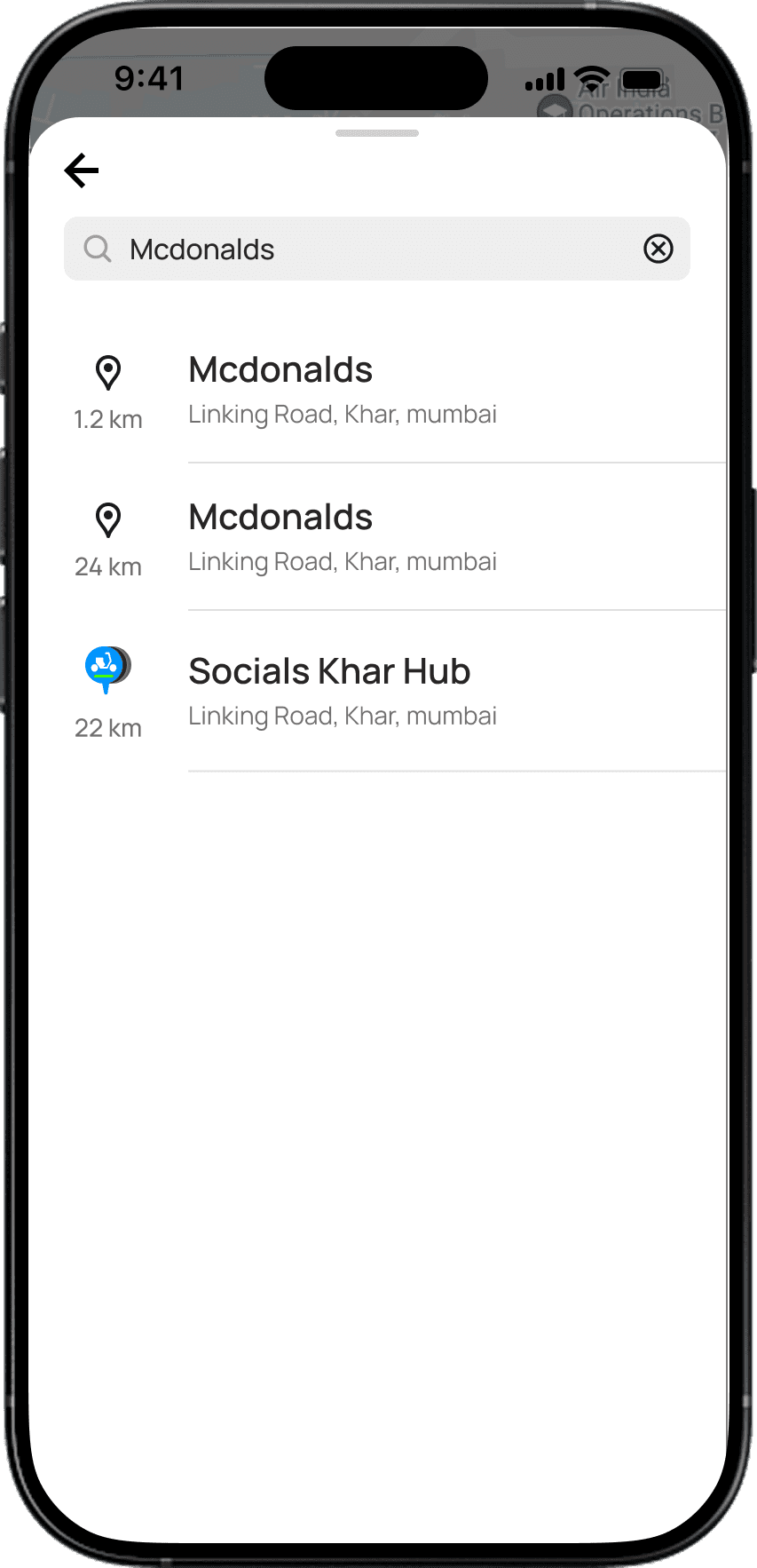
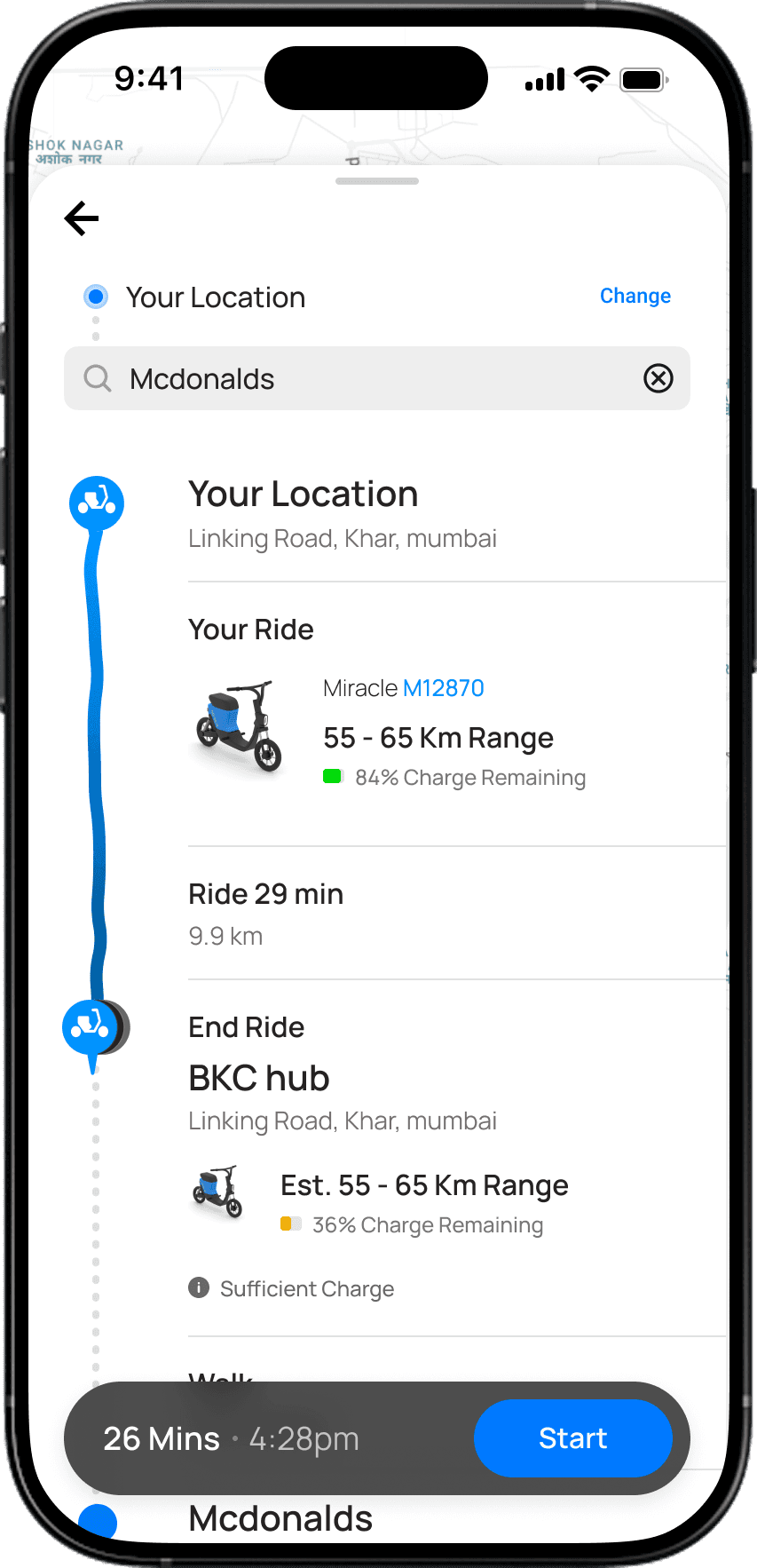
Conclusion
Learning 1
Remove uncertainty first
Good design often comes from removing doubt, not adding features.
Learning 2
Small cues, big impact
Simple interventions, like flashing lights on a bike, can solve disproportionately large problems.
Next Steps 1
Rentals redesign
Tailoring the rental experience for delivery agents who rely on Yulu for daily income.
Next Steps 2
Help & chatbot
Designing a support experience that feels conversational and genuinely helpful.




LOADING