Ribin
From Confusion to Confidence: Designing Trust for Experiential Gifting
Overview
Timeline
Team
My Role
Ribin is a new-age gifting platform that makes India’s tradition of meaningful gift-giving more personal by offering curated experiences as digital gift cards.
As the design lead, I shaped Ribin’s product and brand to close the gap between user expectations and product delivery. My work simplified the platform, introduced credibility features, and built an identity that made experiential gifting tangible.
5 min read
Problems
Problem 1
Commitment Gap
Ribin struggled to convert genuine user interest into completed purchases. While users found the idea of experiential gifting appealing, very few felt confident enough to commit.
This disconnect stemmed from what I identified as a commitment gap, where curiosity existed but trust and clarity did not.
Problem 2
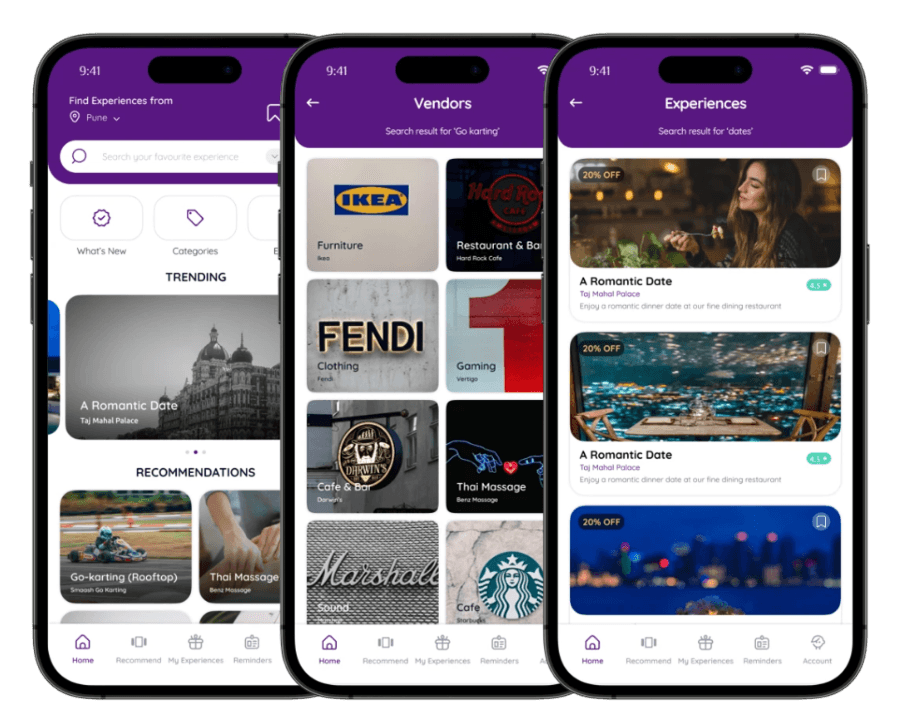
Clunky first experience
The initial app experience created friction from the start. The UI felt visually unrefined and the flows were hard to navigate, which immediately signaled unreliability in a product that already lacked physical tangibility.
Problem 3
Credibility Challenge
Users hesitated to purchase something they could not see, touch, or verify, making the experience feel like a high-risk decision.
Research and Insights
Hypothesis 1
Confidence enables purchase
I believed that users were not dropping off because of lack of interest, but because they lacked confidence in what they were buying.
Hypothesis 2
Visualization reduces risk
If users could clearly visualize the experience, hesitation would reduce significantly.
Qualitative interviews
I conducted 10+ qualitative interviews with both stakeholders and users to understand how people think about gifting, hesitation, and decision-making.
65%
of users would prefer gifting experiences over physical items.
84%
rely heavily on reviews when choosing gifts.
70%
struggle to decide what gift to give.
Insights
Primary Insight
Quality uncertainty
“How do I know this experience will be good?”
Uncertainty around experience quality was the primary reason for abandoned carts.
Insight 2
Fear of disappointment
“What if my friend doesn’t like it?”
The emotional cost of disappointing someone else caused strong decision paralysis.
Insight 3
Platform trust
“Is this platform trustworthy?”
As a new experiential category in India, credibility was a major blocker.
Insight 4
Emotional drivers
Gifting fulfills subconscious needs for esteem, connection, and thoughtfulness. Experiences feel more meaningful, but only when confidence exists.
Insight 5
Social proof matters
Reviews and word-of-mouth were the strongest trust builders.
Decisions
Reframe the core issue
I reframed Ribin’s challenge from a conversion issue to a trust and visualization problem, which reshaped every design decision that followed.
Being Familiar
I chose to use interaction patterns and media formats already familiar to users, reducing learning friction while increasing emotional engagement.
Solutions
Designing for trust
The core insight was simple: users could not visualize the experience, and what you can’t see, you won’t buy.
To solve this, I led the shift from static, product-like listings to an immersive, media-rich experience.
Solution 1
Discover Feed
Viral immersion
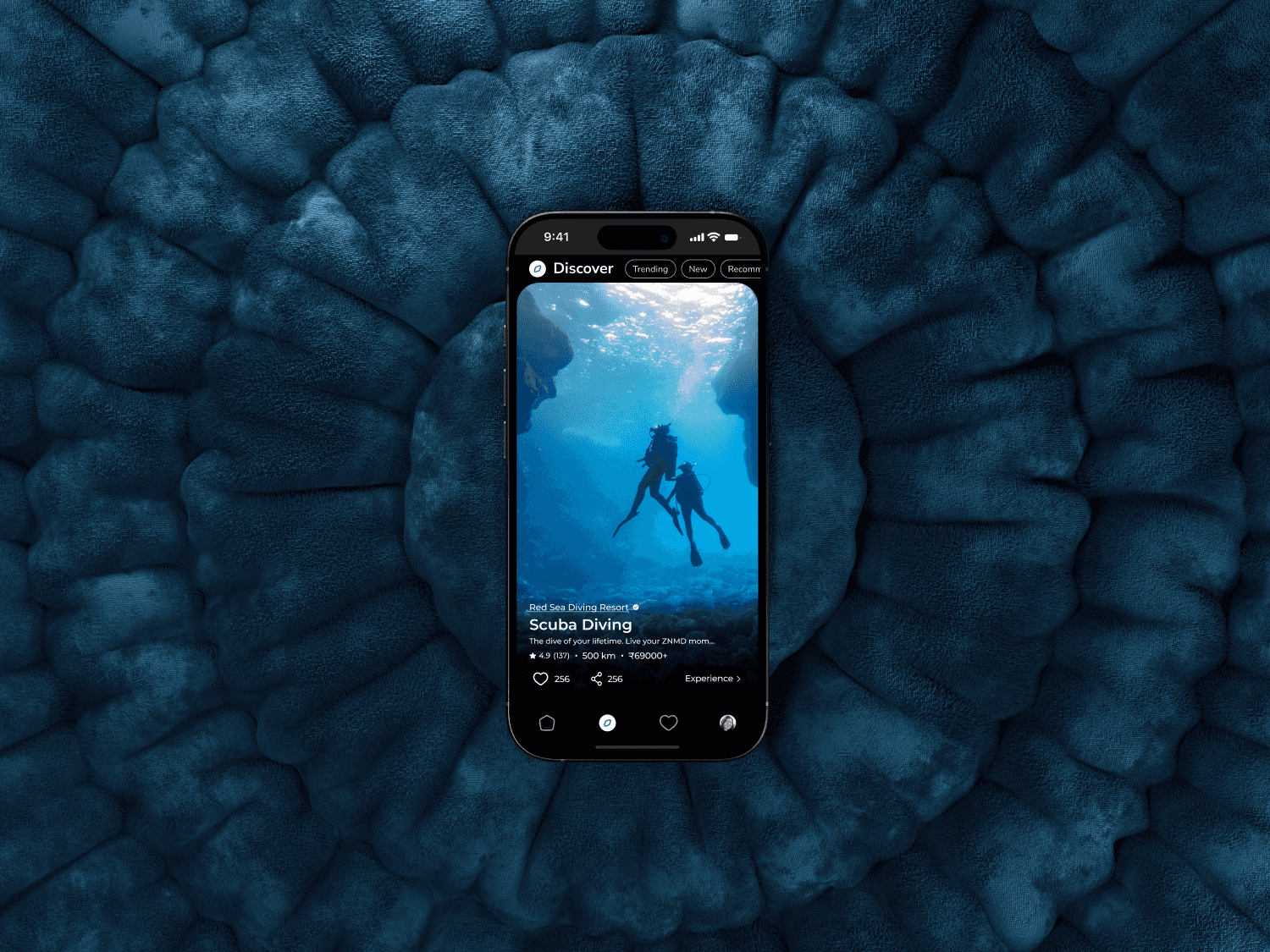
The Discover Feed was designed for endless, passive scrolling using full-screen, high-impact video reels.
This leveraged behaviors users were already familiar with, allowing them to effortlessly stumble upon inspiration. It directly addressed the “I don’t know what to gift” problem while significantly increasing time spent on the app.
Solution 2
Experience visualization
Bringing experiences to life
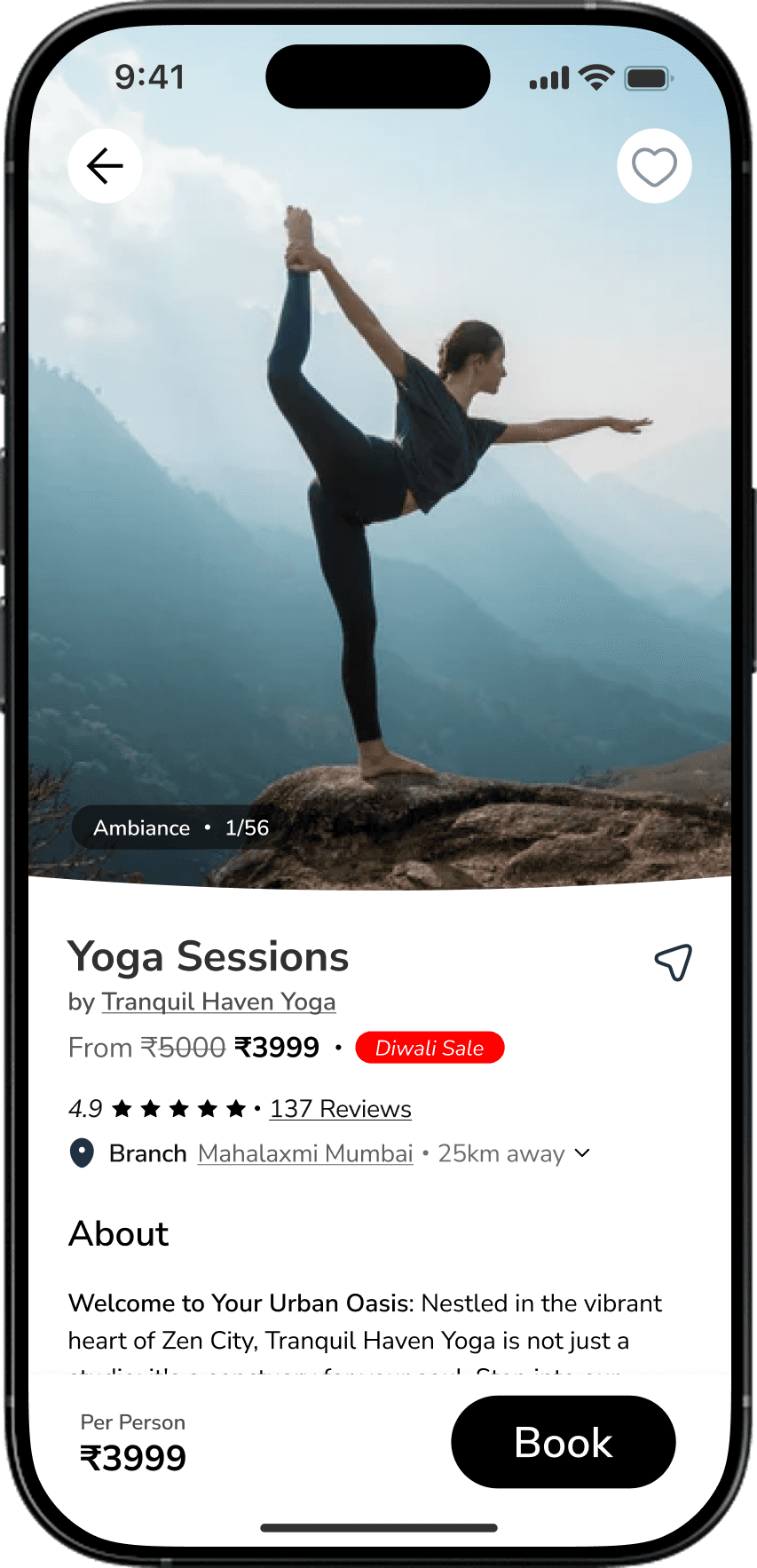
To tackle the visualization barrier head-on, I prioritized short, influencer-style video previews instead of traditional product videos.
On the Experience Detail Page, the hero section focuses on fast-paced, vlog-style previews that showcase ambiance, excitement, and service quality, helping users feel the experience before buying it.
Solution 3
Trust signals
Dual review system
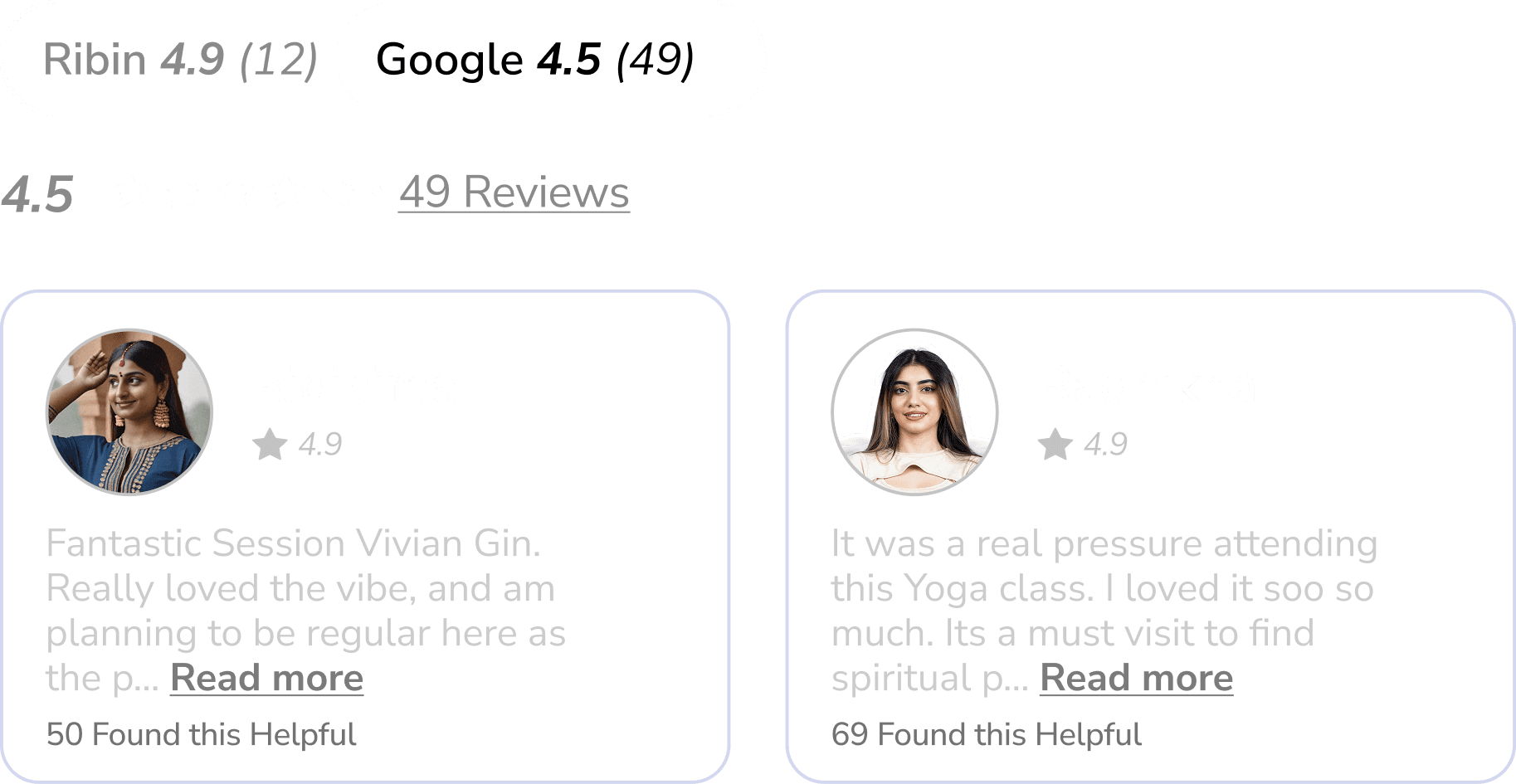
Once users were engaged visually, the final hurdle was safety and trust.
Since 84% of users relied on validation, I implemented a Dual Review System that surfaced both experience-level and vendor-level reviews on every product page, reducing last-mile hesitation.
Enhanced Flow
Redesigned
For familiarity
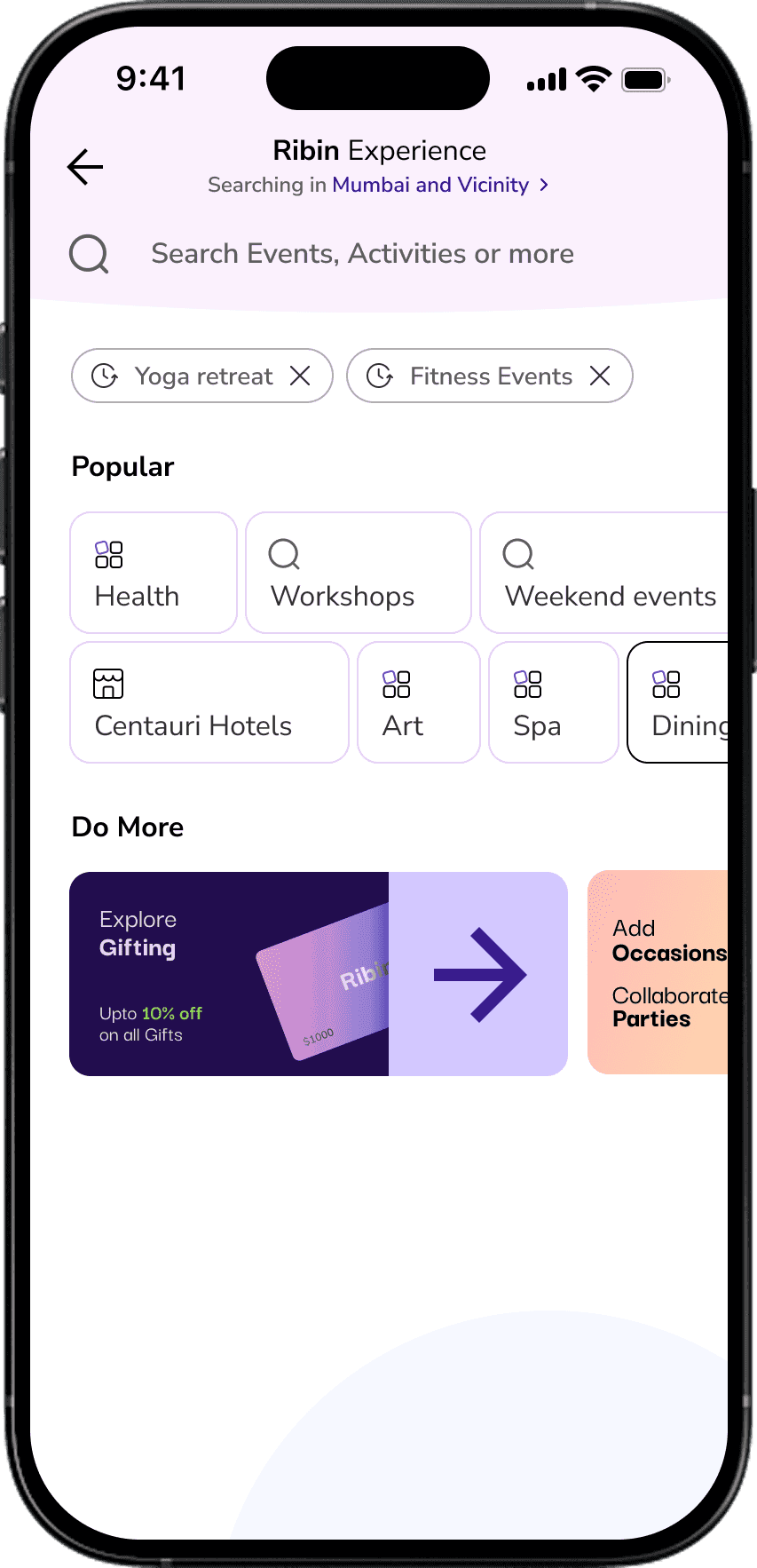
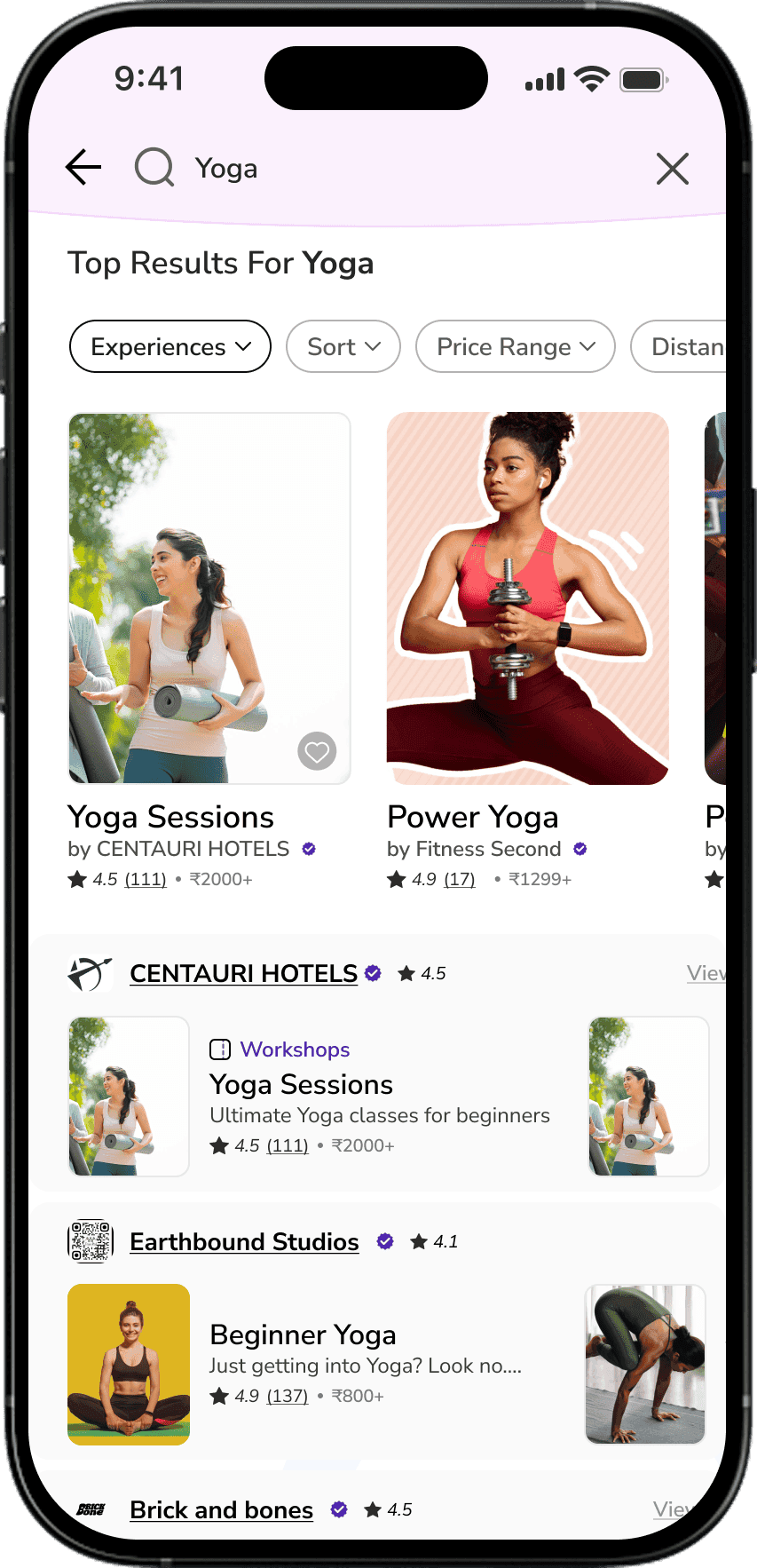
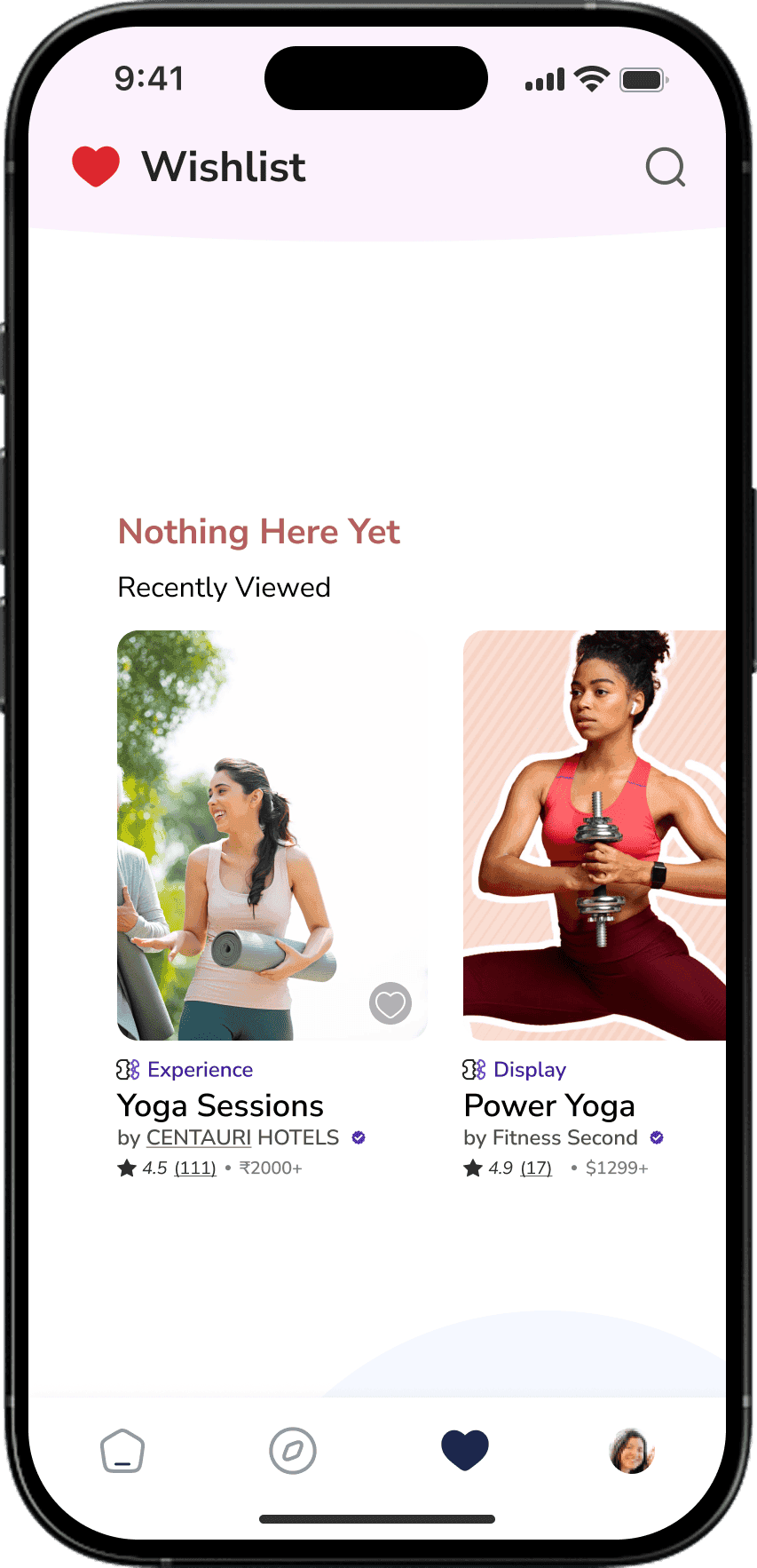
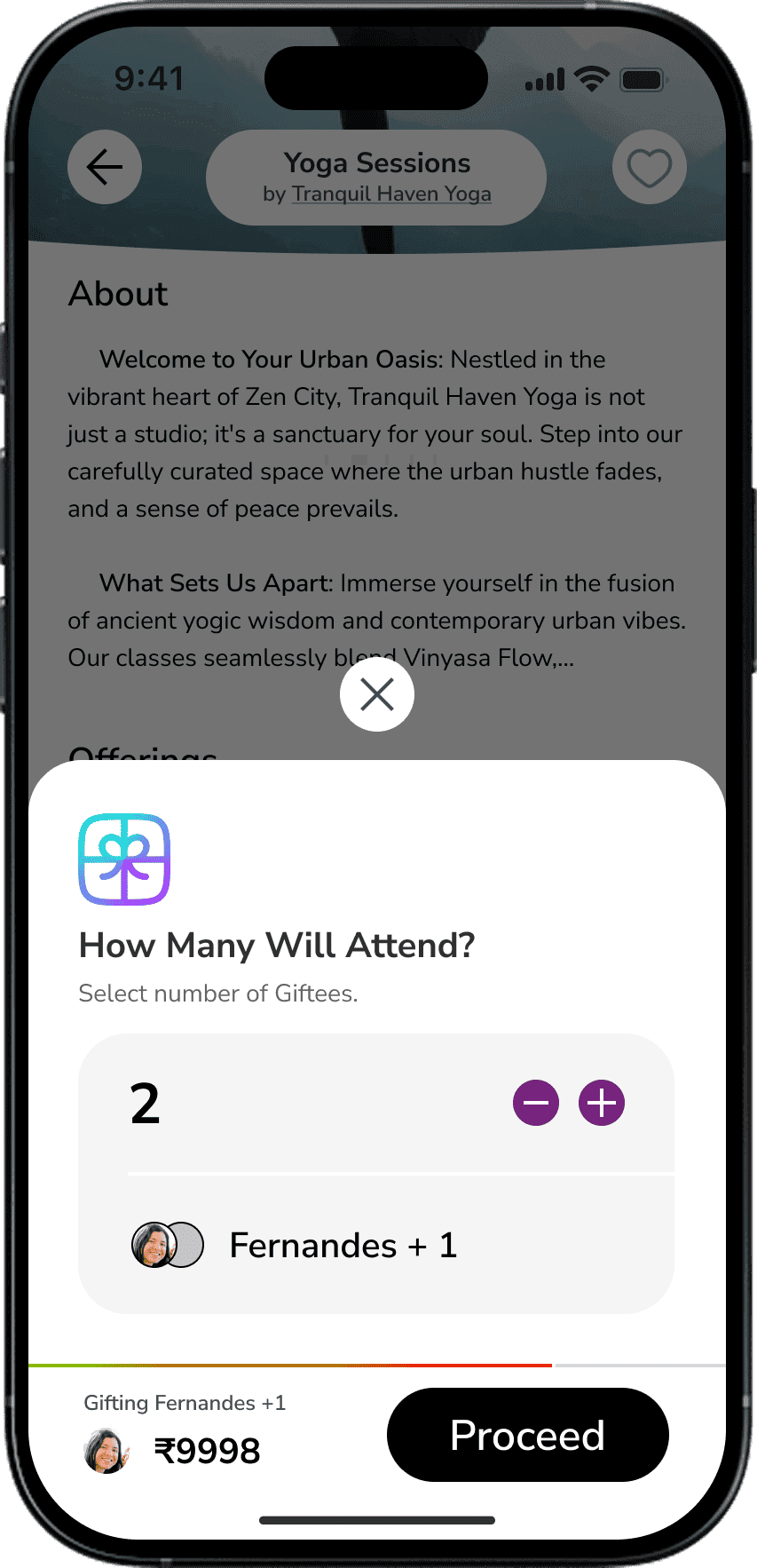
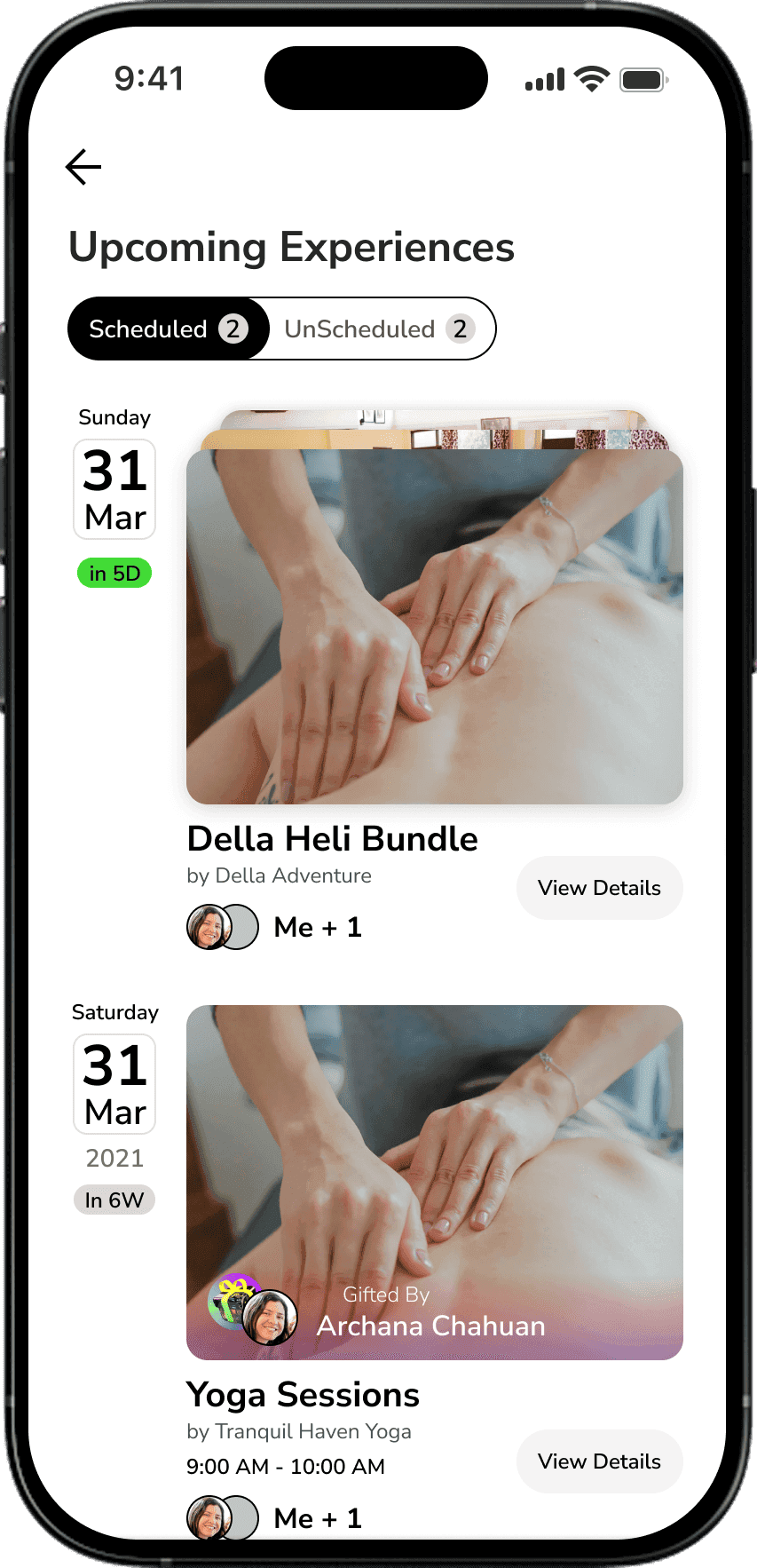
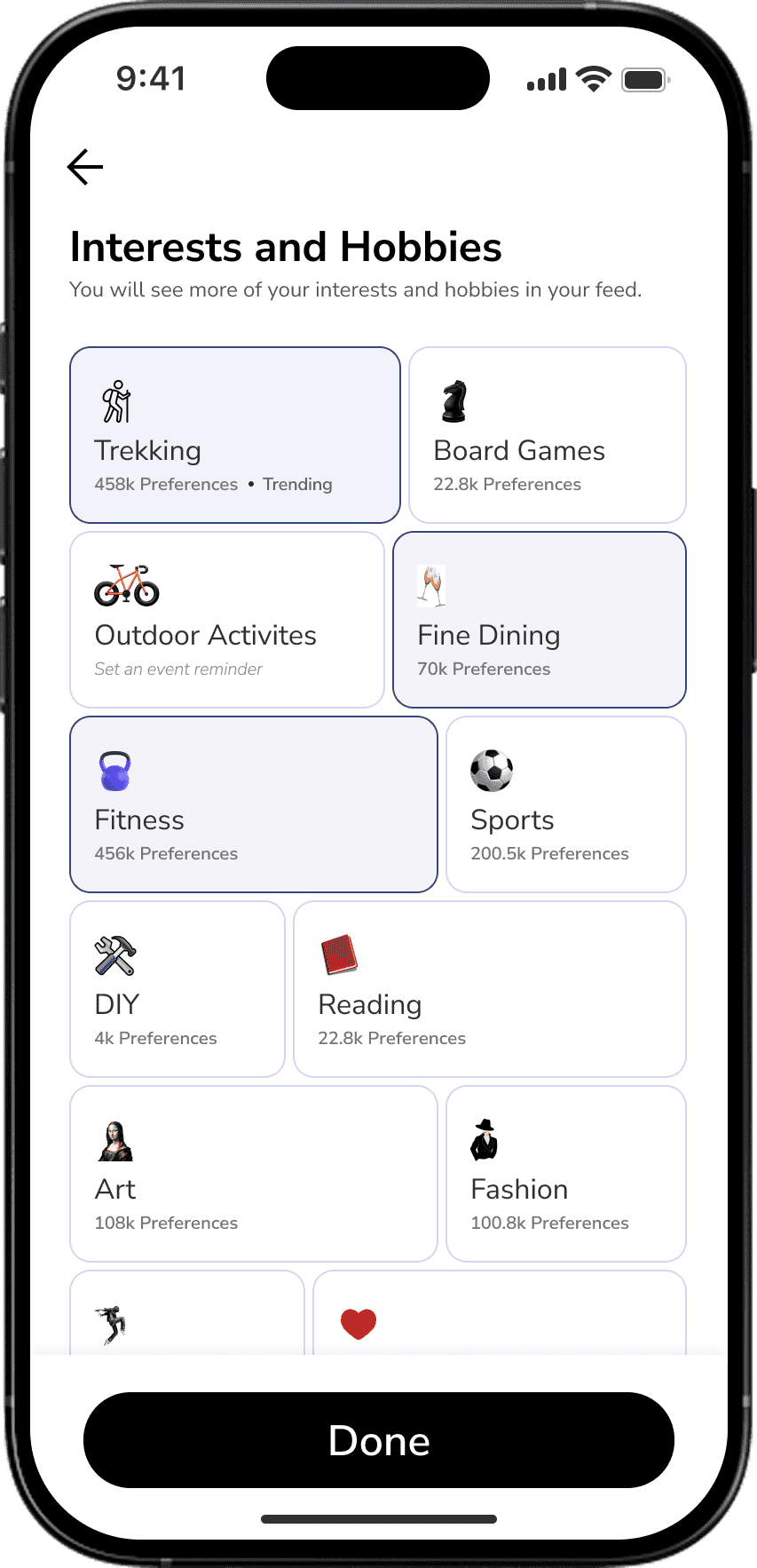
Beyond discovery, the entire application underwent a comprehensive UI redesign to ensure consistency, clarity, and polish across the journey.
Conclusion
Learning 1
Trust is foundational
For intangible products, trust is not a marketing layer. It must be embedded into the product itself.
Learning 2
Visualization converts intent
Influencer-led, short-form video showcasing real moments proved to be one of the most effective ways to turn hesitation into intent.
Next Steps
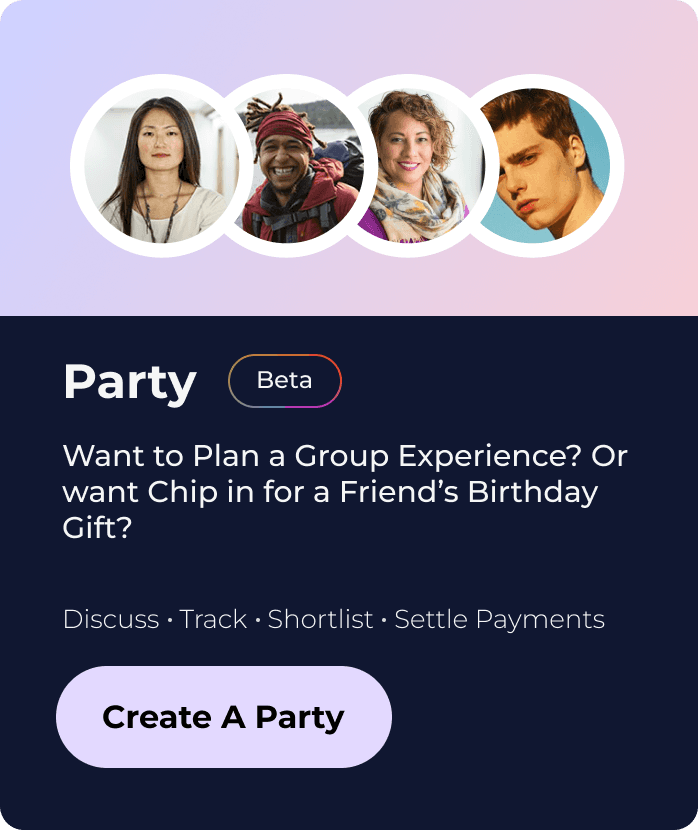
Party planning
A shared space where users can collaboratively shortlist, discuss, and plan group outings or surprise gifts, simplifying group decision-making.
More Steps
Smart gifting
A personalized recommendation system leveraging Ribin’s algorithm to suggest experiences based on a recipient’s interests and past behavior, reducing guesswork and increasing the likelihood of delight.







LOADING